
Today, on Redhead Mom, I’m sharing about ways to make everyday play more educational and fun for kids.
It’s 4:30 on a Tuesday. Dinner hasn’t started, your toddler has tipped the toy bin onto the floor, and the activity you saved last week needs six supplies you don’t own.
The good news is that educational play activities for kids don’t need prep. The toys and household items you already have can do most of the work if you nudge play in a few helpful directions. Here are seven easy ways to do that, plus a quick checklist you can use any day of the week.
What makes play educational? Play becomes educational when a child is curious, hands-on, and an adult adds a little language or a question. Open-ended materials, a few minutes of your attention, and room for your child to lead are usually enough. The ideas below turn ordinary playtime into practice with math, language, and problem-solving.
Why Everyday Play Counts
Pediatric experts treat play as a core part of development rather than a break from learning. The American Academy of Pediatrics describes play as brain-building and linked to executive function skills like focus and self-control, and notes that learning works best when it builds on a child’s natural urge to play. Harvard’s Center on the Developing Child offers age-based play handouts designed to be easy to do at home.
You don’t need a curriculum to start. You need a few minutes and something to play with.
1. Turn Building Toys Into Creative Challenges
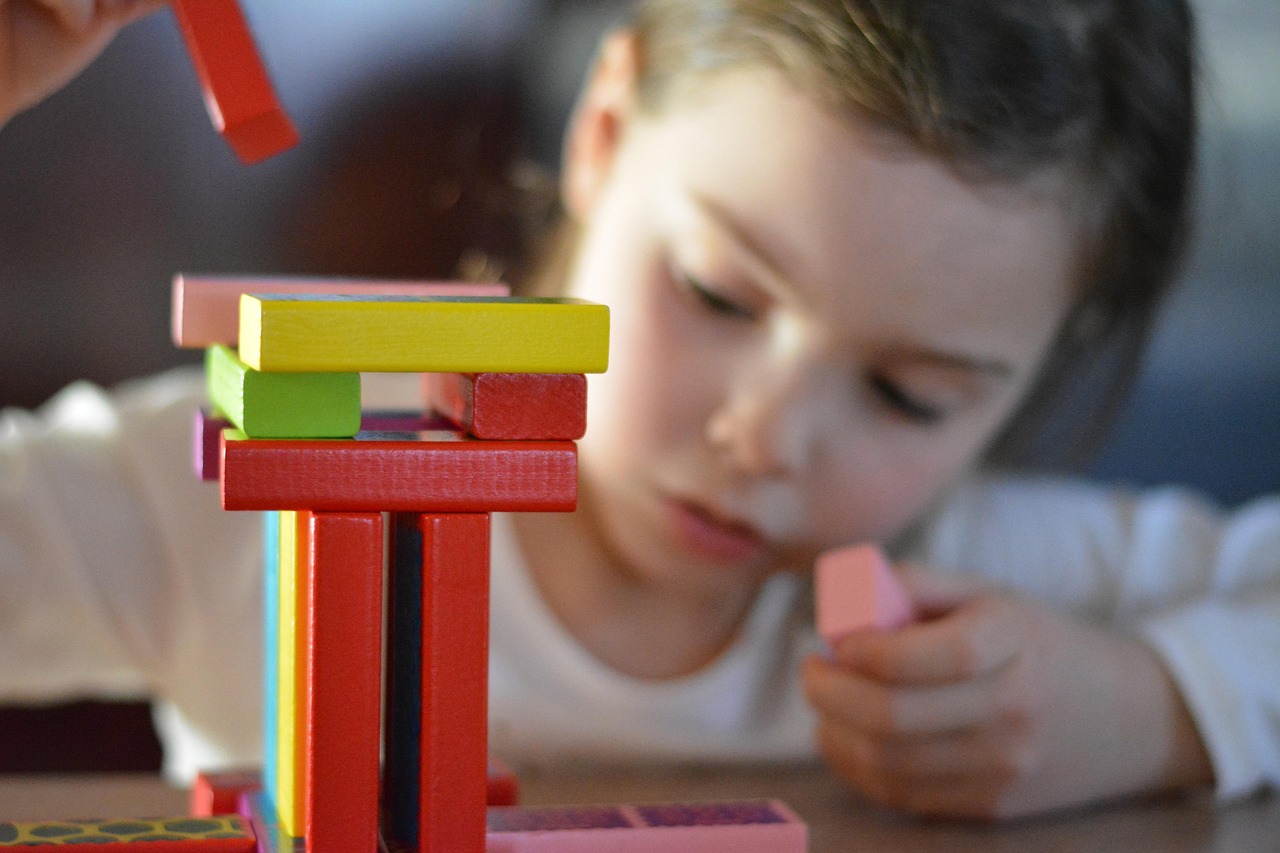
Wooden blocks and construction sets are some of the most flexible toys in the house. Give a simple challenge and let your child figure out how to solve it:
When a tower topples, ask, “What could we change to make it stronger?” That question invites your child to test ideas rather than wait for your answer. Early childhood educators note that block play supports early math, problem-solving, and persistence, including learning to cope with frustration when a build falls over. Try adding words like “taller,” “next to,” and “underneath” as you play, because spatial language helps too.
2. Use Magnetic Toys for Hands-On Learning
Magnetic playsets are reusable, quiet, and easy to reset. Your child can sort pieces, build animal scenes, arrange letters, or tell a story by moving characters around. Because pieces snap into place and come off again, children can rearrange their ideas as often as they like.
A magnetic wall board also gives play a designated spot without needing a separate playroom. A section of wall or a freestanding board becomes a mini activity station, and it keeps floors clearer for everyone. Families looking for versatile play materials can explore Tix&Mix, which offers magnetic wall boards and wooden magnetic playsets designed for imaginative, hands-on activities.
3. Introduce Simple Sorting and Matching Games
Sorting is early math in disguise. Pull out blocks, large wooden pieces, or picture cards and ask your child to group them by color, shape, or size. Then change the rule: “Now let’s sort by something else. What could we use?”
Adjust the difficulty to your child’s age:
- Younger toddlers: two groups, such as big and small.
- Older toddlers: three or more groups, or matching pairs.
- Preschoolers: sorting by two rules at once, like “red and round.”
If your child loses interest, switch to a silly version, like sorting toys into “sleepy” and “wide awake” piles. Keep it light.
4. Encourage Storytelling Through Pretend Play
Animal figures, a toy kitchen, or a pretend shop can all become story starters. Children invent characters, solve problems, and practice vocabulary along the way.
You can join in without taking over. Ask open-ended questions like “What does the shopkeeper need today?” or “Where is the lost puppy going?” Then wait for the answer. If your child hands you a role, play it. If they’d rather run the show, narrate what you see: “The bear is making soup. It smells so good.”
5. Explore Letters and Numbers Through Play
Skip the flashcards. Letters and numbers show up naturally in play:
- Match magnetic letters to the first letter of a toy animal’s name.
- Build your child’s name letter by letter.
- Count blocks as you stack them, or count steps to the kitchen.
Keep it playful. If your child wanders off mid-letter, that’s fine. The goal is positive early encounters with letters and numbers, not performance. A few relaxed minutes will do more than a long drill that ends in tears.
6. Bring Nature Into Everyday Activities
Nature play doesn’t require a trip anywhere. Australian researchers who reviewed the evidence note that backyards, balconies, courtyards, and local parks can all work for nature play, and that it can foster creativity, curiosity, and physical development.
Try these on your next walk:
- Collect safe, age-appropriate items like leaves, acorns, or smooth stones in a small bag. The AAP has suggested that collecting helps build focus and patience as children decide what is worth keeping.
- Sort the haul at home by color or shape.
- Press leaves under a book, or arrange them into a picture.
Supervise closely with toddlers, since small objects can be a choking hazard, and wash hands afterward.
7. Let Children Lead Their Own Playtime
Children often engage more when they have choices. Keep a small selection of toys within reach, such as a basket of blocks, a few animal figures, and some magnetic pieces, and let your child pick. Rotating a few items in and out every week keeps things fresh without buying anything new.
Then take a step back. Watch first, join when invited, and follow your child’s pace. If they’ve built the same tower fifteen times, that’s practice, not boredom.
A Quick Play Checklist
Not sure whether a play session is “educational”? Ask yourself:
If you can say yes to two of the three, you’re doing great.
Frequently Asked Questions
How much time should I spend on educational play each day?
There’s no magic number. Short, focused stretches of ten to fifteen minutes with your full attention can be more valuable than an hour of distracted play. Many families find it easiest to fit it around daily routines like after nap time or before dinner.
Do I need to buy special educational toys?
No. Blocks, household items, nature finds, and simple open-ended toys can support learning just as well as anything labeled “educational.” Toys that can be used in many ways tend to last longer as your child grows.
What if my child only wants to play one way?
That’s common. Repeating a favorite activity helps children build skills and confidence. You can gently add a small twist, like a new challenge or character, without taking the activity away.
When should I talk to a professional about my child’s play or development?
If you have concerns about your child’s development, bring them up with your pediatrician. They can offer guidance based on your child’s age and needs.
Final Thoughts: Learning Can Happen Through Everyday Play
Educational play doesn’t have to be expensive or complicated. A few blocks, a handful of leaves, and a question or two can turn ordinary moments into chances to explore, count, create, and talk.
Start with one idea from this list this week. Curiosity, imagination, and time spent together are what make simple playtime matter.