
Today, on Redhead Mom, I’m sharing a partnered guest post about common mistakes after a dog bite.
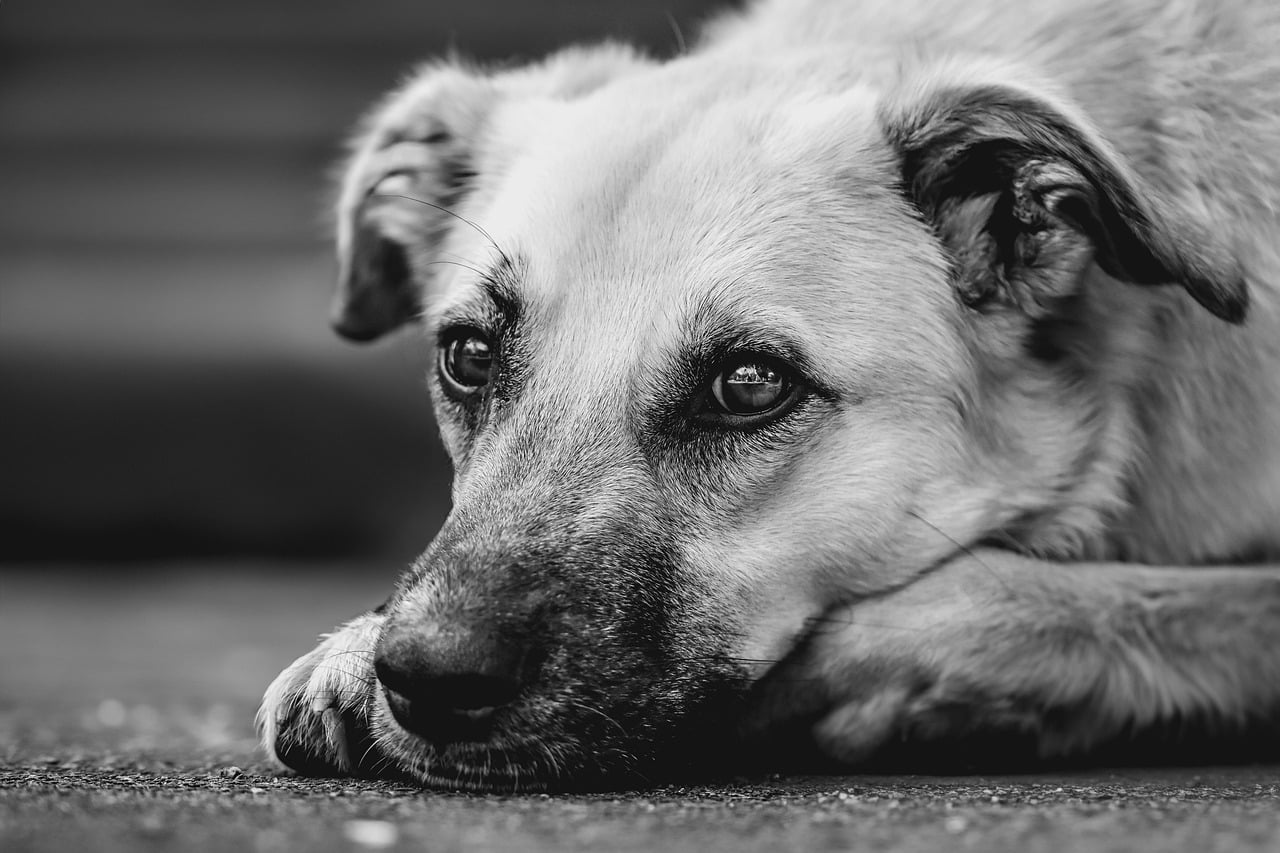
After a dog bite, six common mistakes are failing to get medical care, delaying the incident report, ignoring the dog’s owner information, failing to document the injury, giving a recorded statement without understanding your rights, and waiting too long to address a potential legal claim. Avoiding these mistakes can help protect your health, preserve important evidence, and make it easier to understand your legal options.
Newnan is a city in Coweta County, Georgia, with residential neighborhoods, parks, businesses, and other areas where people regularly interact with dogs. Like other communities, dog bites can happen in homes, public spaces, sidewalks, or other locations when an animal behaves unexpectedly. If you are injured by a dog in the area, a Newnan dog bite lawyer can help you understand Georgia law and the options that may be available.
1. Failing to Get Medical Attention
Even a bite that looks minor can cause infection, nerve damage, or other complications. Some injuries may also be deeper than they initially appear.
Getting medical treatment creates a record of the injury and allows a healthcare professional to determine whether additional treatment is needed. Following the recommended treatment plan can also help prevent complications.
2. Failing to Report the Bite
A dog bite should generally be reported to the appropriate local authority, particularly when the injury is serious or there are concerns about the animal.
A report can create an official record of what happened. It may also help authorities determine whether the dog has a history of aggressive behavior or whether additional safety measures are necessary.
3. Not Getting Information About the Dog and Owner
If possible, obtain the owner’s name and contact information, along with information about the dog. Details about the animal’s vaccination history may also be important.
If the owner refuses to provide information, do not put yourself in danger by arguing with them. Instead, document what you can and provide the information to authorities or your attorney.
4. Failing to Document the Injury
Photographs can provide valuable evidence of the condition of the injury shortly after the attack. Take clear photographs of the wounds, damaged clothing, and the location where the bite occurred.
It can also help to write down what happened while the details are fresh. Include information about where the dog was, what happened immediately before the bite, and whether anyone witnessed the incident.
5. Giving a Statement Without Understanding the Consequences
After a dog bite, an insurance company may contact the injured person and ask for information about the incident. It is important to be accurate and avoid guessing about details that are not remembered.
Under Georgia Code § 51-2-7, an owner or keeper of a potentially dangerous animal may be liable for injuries under certain circumstances, including situations involving negligent management or failure to exercise proper care. Whether the law applies depends on the specific facts of the case.
Before providing a recorded statement or accepting a settlement, an injured person may want to understand what rights and potential damages are involved.
6. Waiting Too Long to Consider Legal Options
A dog bite claim may involve medical expenses, lost income, pain and suffering, and other losses. Waiting too long can make it harder to preserve evidence and may create problems with applicable legal deadlines.
Georgia generally has a two-year statute of limitations for personal injury claims under Georgia Code § 9-3-33, although exceptions and different rules may apply in particular situations.
Getting legal advice early can help an injured person understand the deadline and determine whether pursuing a claim is appropriate.
What to Do After a Dog Bite
After a dog bite, focus first on your health and safety. Seek medical attention, report the incident when appropriate, collect information about the dog and its owner, and document your injuries.
Keep copies of medical records, bills, photographs, and other documents related to the incident. These records can help establish the extent of the injury and the losses that resulted from it.
Key Takeaways
- Seek medical attention even when a dog bite appears minor.
- Report the incident to the appropriate authorities when necessary.
- Collect information about the dog and its owner when it is safe to do so.
- Photograph your injuries and preserve other evidence.
- Be careful when speaking with insurance companies about the incident.
- Pay attention to Georgia’s deadlines for personal injury claims.