
Today, on Redhead Mom, I’m sharing a partnered guest post about how to plan a long-distance move.
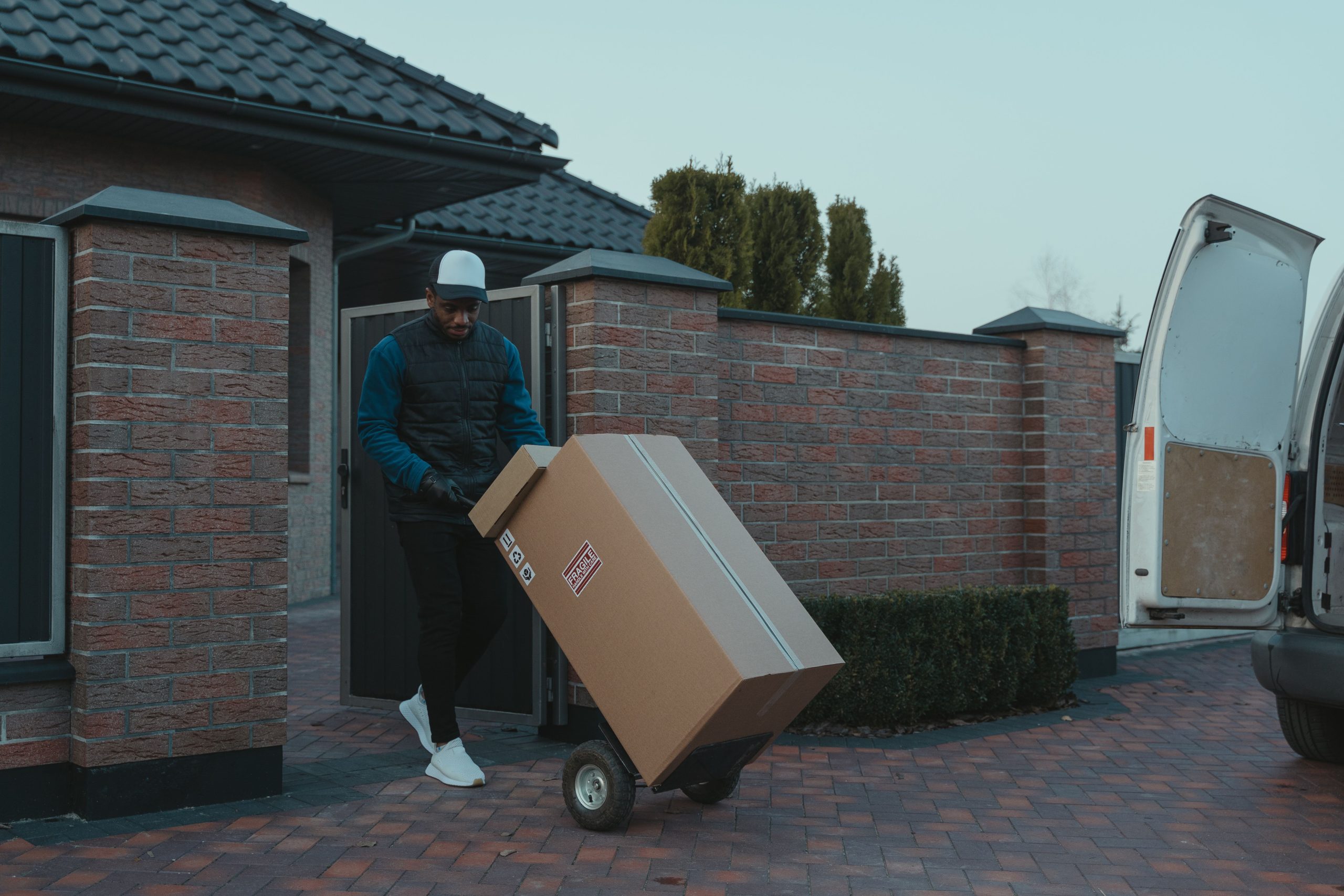
Moving across state lines can feel like a full-time job you never applied for. You’re dealing with timing, money, paperwork, and the emotional whiplash of leaving one place while preparing for another. Interstate moves are hardly unusual: 2.1% of the U.S. population moved to a different state in 2024, according to Census Bureau data. If Tampa is part of your move, planning matters even more as the city continues to grow. Tampa’s population was estimated at 414,575 in 2024, compared with 384,959 in the 2020 Census. Add Florida heat, humid conditions, busy neighborhoods, parking considerations, and apartment or building access rules, and moving day can become complicated quickly. A smart plan helps you manage costs, protect your belongings, and keep the process far less chaotic.
Start With a Moving Timeline You’ll Actually Follow
A long-distance move gets messy when every task feels urgent at once. You’ll save yourself a lot of stress by working backward from your move date and setting weekly goals.
Keep your checklist realistic and specific. Broad goals like “pack the house” tend to sit there like a brick. Break them into jobs you can finish in one session.
Try this structure:
– 8 weeks out: research movers and build a budget
– 6 weeks out: sort and donate unused items
– 4 weeks out: gather records, transfer utilities, and start packing non-essentials
– 2 weeks out: confirm move details and finish most packing
– Final week: pack daily-use items and prep travel essentials
Your timeline should also include tasks people forget, like updating subscriptions, notifying your school or employer, and checking parking access for the moving truck. Tiny details love to become giant problems at the worst possible moment.
Choose the Right Moving Company for the Job
Not every mover handles long-distance relocations with the same level of service. Some companies are great for local jobs but less equipped for interstate logistics, scheduling windows, or specialty items.
When you compare movers, focus on licensing, experience, customer reviews, and how clearly they explain their process. If you’re relocating from or through Florida, it helps to work with long distance movers in Tampa who understand regional routes, building access challenges, and the planning involved in cross-country hauling.
Before you commit, ask practical questions:
– Do they handle packing and unpacking?
– What protection options are available?
– How are delivery windows scheduled?
– Are items transferred between trucks?
– What fees apply for stairs, elevators, or long carry distances?
A reliable mover won’t dodge specifics. Clear answers usually signal a smoother move.
Know What a Long-Distance Move Really Costs
A long-distance move is rarely cheap, and the price can swing fast depending on distance, weight, timing, and extra services. If you don’t build a complete budget early, costs can sneak up on you like a box labeled “miscellaneous” that somehow weighs 40 pounds.
Your moving budget should include more than transportation. Think about deposits, temporary lodging, fuel, storage, pet transport, and replacing things that aren’t worth moving.
Key expenses often include:
– Professional moving services
– Packing materials
– Travel costs for your household
– Insurance or valuation coverage
– Utility setup fees
– Short-term storage if move-in dates don’t line up
Ask every company for a written estimate and find out whether it’s binding or non-binding. That one detail matters. A low quote can look great at first, then become a budget ambush if the final weight or service scope changes.
Declutter Before You Pack a Single Box
Long-distance moving charges often depend on how much stuff you take with you. That means every unnecessary lamp, broken chair, or mystery cord collection can cost real money.
Go room by room and sort everything into four groups: keep, donate, sell, and toss. Be honest with yourself. If you haven’t used it in a year and it’s not seasonal or sentimental, it probably doesn’t need a seat on the truck.
Focus on items that are expensive to move but easy to replace, such as:
– Cheap flat-pack furniture
– Old mattresses
– Worn-out rugs
– Duplicate kitchen gear
– Clothes you never wear
You’ll also make unpacking easier in the new place. Fewer boxes mean less time hunting for your toothbrush in a carton full of tangled chargers and winter scarves. Decluttering is not glamorous, but it’s one of the best money-saving moves you can make.
Pack for Distance, Not Just for Convenience
Packing for a local move is one thing. Packing for hundreds or thousands of miles is a different sport. Boxes may be stacked longer, moved more often, and exposed to more shifting in transit.
Use strong boxes, quality tape, and enough padding to protect fragile items. Label each box with both the room and a quick note about contents. “Kitchen” helps. “Kitchen – coffee maker, mugs, filters” helps much more on day one.
Pack a separate essentials bag or box with items you’ll need right away:
– Medications
– Chargers
– Basic toiletries
– Important documents
– A few days of clothes
– Snacks and water
– Pet or baby supplies
Keep valuables and irreplaceable records with you instead of on the truck. That includes passports, financial papers, jewelry, and anything you’d hate to explain to an insurance adjuster later.
Handle the Logistics Nobody Warns You About
The physical move gets most of the attention, but the side logistics often cause the biggest headaches. Long-distance moves involve address changes, timing conflicts, records transfers, and arrival-day coordination.
Start by updating your address with banks, employers, insurance providers, and delivery services. Schedule utility shutoff and startup dates carefully so you’re not paying for two homes longer than necessary.
You should also double-check:
– Lease or closing dates
– Elevator reservations in apartments or condos
– HOA or building move-in rules
– School or medical record transfers
– Vehicle registration requirements in the new state
If you’re moving to Tampa, weather can affect planning too. Summer storms and high humidity aren’t minor details when cardboard boxes and loading schedules are involved. Morning loading times can be easier, especially when heat and afternoon rain decide to make a dramatic entrance.
Make Arrival Day Easier Than Departure Day
A smoother arrival starts before the truck pulls up. You want the new place ready enough that you’re not making decisions while exhausted and standing in a sea of boxes.
Clean the space ahead of time if possible. Confirm utilities are on, measure doorways for large furniture, and have a rough layout for major rooms. Movers can place heavy items where you want them once. Asking them to play furniture roulette after unloading gets old fast.
Once you arrive, prioritize these first:
– Beds and bedding
– Bathroom basics
– Kitchen essentials
– Internet setup
– Daily medications
– Kids’ or pets’ routines
Don’t try to unpack everything in one day. Aim for function first, perfection later. A home becomes livable when you can sleep, shower, eat, and find your phone charger without opening twelve boxes labeled “office/misc.” Good enough beats overwhelmed every time.
Keep Stress Under Control During the Move
Even well-planned moves can feel emotionally draining. You’re dealing with uncertainty, disrupted routines, and the strange pressure of making a fresh start look easy. It rarely feels easy.
Give yourself some structure during the transition. Keep meals simple, sleep as consistently as you can, and avoid leaving every decision for the last minute. If you’re moving with kids, involve them in simple tasks so they feel included instead of dragged through the process.
A few habits help more than people expect:
– Keep one master checklist on your phone
– Save all moving receipts and contracts in one folder
– Take photos of electronics before disconnecting cords
– Label essentials clearly for the first night
– Build in extra time for delays
The goal isn’t a flawless move. The goal is a manageable one. If your plan reduces confusion, protects your budget, and gets you settled with less stress, you’re already doing it right.