
Today, on Redhead Mom, I’m sharing a partnered guest post about how often you should schedule a full vehicle tune-up service.
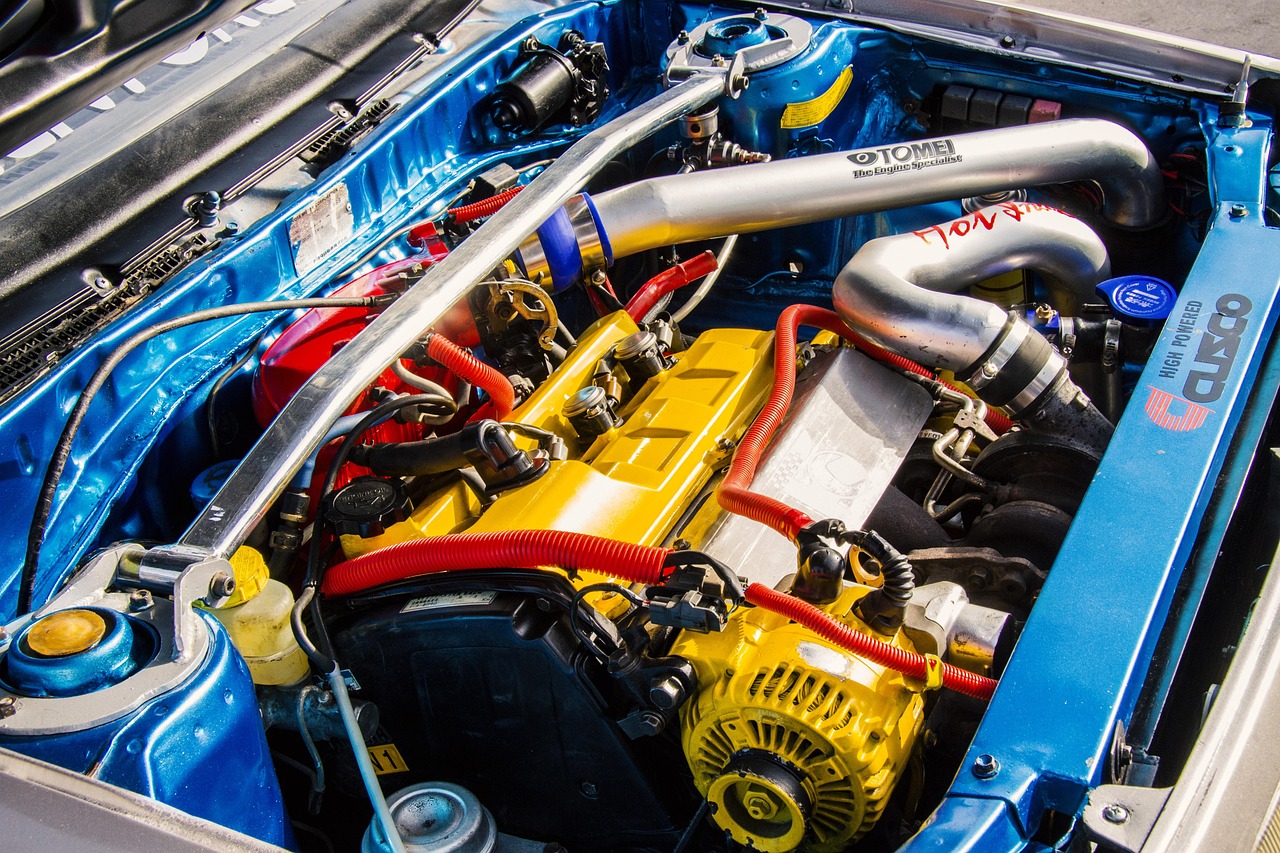
Most drivers know they should service their vehicle regularly, but many aren’t sure when a full tune-up is actually necessary. Some assume an annual oil change is enough, while others wait until the check engine light comes on or the car starts making unusual noises. Unfortunately, delaying maintenance often means turning a minor issue into a much more expensive repair.
A full vehicle tune-up is designed to keep your engine and essential systems operating efficiently while identifying worn components before they fail. Although every manufacturer has its own maintenance schedule, there are general guidelines that help most drivers keep their vehicles reliable, safe, and running at their best.
Why Regular Tune-Ups Matter
A tune-up is much more than routine maintenance. It’s an opportunity to inspect critical components, replace parts that naturally wear over time, and ensure your vehicle continues performing as it should.
According to the National Highway Traffic Safety Administration’s (NHTSA) National Motor Vehicle Crash Causation Survey, vehicle-related issues were identified as the critical reason in roughly 2.2% of crashes, with tire and brake problems accounting for a significant share of those maintenance-related incidents. While many mechanical failures are preventable, they often develop gradually and can go unnoticed without regular inspections.
Routine tune-ups also help improve fuel efficiency, reduce engine wear, extend the lifespan of major components, and give mechanics the chance to identify small problems before they become costly breakdowns. Staying on schedule is one of the simplest ways to protect both your vehicle and your investment.
1. Follow a Standard Tune-Up Schedule
Your vehicle’s owner’s manual should always be your primary reference for maintenance intervals, as manufacturers design service schedules specifically for each model. However, most modern vehicles follow a similar pattern for routine maintenance and comprehensive tune-ups.
A general maintenance schedule includes:
- Every 5,000–10,000 miles (or every 6–12 months): Replace the engine oil and oil filter, rotate the tires, and perform a general inspection of fluid levels, brakes, and suspension components.
- Every 15,000 miles: Inspect and replace the engine air filter and cabin air filter if necessary to maintain engine performance and cabin air quality.
- Every 30,000–50,000 miles (or approximately every two to three years): Schedule a comprehensive tune-up. This may include inspecting or replacing spark plugs, checking the fuel system, inspecting belts and hoses, testing the battery, and examining ignition components.
- Every 60,000–100,000 miles: Replace long-life spark plugs where applicable, flush coolant if recommended, inspect the timing belt or timing chain system, and complete other manufacturer-recommended major services.
Following these intervals helps reduce unnecessary wear and ensures your vehicle continues operating safely and efficiently. While newer vehicles generally require fewer tune-ups than older models thanks to improved technology, routine inspections remain just as important.
2. Consider Your Driving Conditions
Mileage isn’t the only factor that determines when your vehicle needs servicing. The way you drive and the environment you drive in can significantly affect how quickly parts wear out.
You may need tune-ups more frequently if you:
- Regularly drive in heavy stop-and-go traffic.
- Take frequent short trips where the engine doesn’t fully reach its normal operating temperature.
- Drive in dusty environments or areas with extreme heat or freezing temperatures.
- Frequently tow trailers or carry heavy cargo.
- Spend a lot of time driving on rough or uneven roads.
These conditions place additional strain on your engine, brakes, suspension, and cooling system. Over time, that extra stress can shorten the lifespan of important components and increase the likelihood of unexpected repairs.
If your driving habits fall into any of these categories, it’s worth discussing a shorter maintenance schedule with your mechanic rather than relying solely on standard mileage recommendations.
3. Choose a Trusted Service Provider
Keeping up with maintenance is easier when you have a repair shop that understands your vehicle’s service history. Regular inspections by the same team allow mechanics to monitor wear over time, recommend preventive maintenance, and identify developing issues before they become serious.
Drivers who choose MotorAbility Automotive for routine servicing benefit from experienced technicians who follow manufacturer recommendations while tailoring maintenance to each vehicle’s age, condition, and driving habits. Consistent servicing not only helps improve reliability but also provides greater confidence every time you get behind the wheel.
4. Know the Signs Your Car Needs an Earlier Tune-Up
Even if you haven’t reached your next scheduled service, your vehicle may indicate that something needs attention. Ignoring these warning signs can allow relatively minor issues to develop into larger mechanical problems.
Watch for symptoms such as:
- Reduced fuel economy compared with your usual driving.
- Rough idling, hesitation during acceleration, or engine knocking.
- Difficulty starting the vehicle, especially in the morning.
- The Check Engine light or other dashboard warning lights remaining illuminated.
- Unusual noises, vibrations, or unfamiliar smells while driving.
These symptoms don’t always mean a major repair is needed, but they do indicate that your vehicle should be inspected as soon as possible. Addressing problems early is often faster, less expensive, and far less inconvenient than waiting until a breakdown occurs.
The Bottom Line
Most modern vehicles benefit from a comprehensive tune-up every 30,000 to 50,000 miles, or approximately every two to three years, while routine services such as oil changes, filter replacements, and tire rotations should be completed much more frequently. Your owner’s manual remains the best source for manufacturer-specific recommendations, but your driving conditions may require a more frequent maintenance schedule.
Staying proactive with tune-ups helps improve performance, maintain fuel efficiency, extend the life of important components, and reduce the risk of unexpected repairs. Investing in regular maintenance today is far more affordable than dealing with major mechanical problems tomorrow.