
Today, on Redhead Mom, I’m sharing a partnered guest post about long-term road maintenance tips.
Roads are critical assets that should be taken seriously. They offer a foundation for daily activities like traveling and moving around and are a solid backbone for the country’s economy. That’s why development and maintenance should be a priority.
Regular upkeep prolongs roads. Fixing problems early saves money in the long run, as we avoid completely replacing worn-out roads. Good roads make it easy to access schools, hospitals, homes, libraries, and businesses, improving everyone’s quality of life. Investing in road maintenance is also good for the economy. It lowers transport costs, creates jobs, and encourages tourism. Businesses can be more productive with reliable roads.
Keeping roads in good shape has many benefits. Well-kept roads make driving safer by fixing issues that could cause accidents. Also, a smooth road makes driving easier. Here are some tips for proper road maintenance for long-term results.
Apply Magnesium Chloride Dust Control Solutions
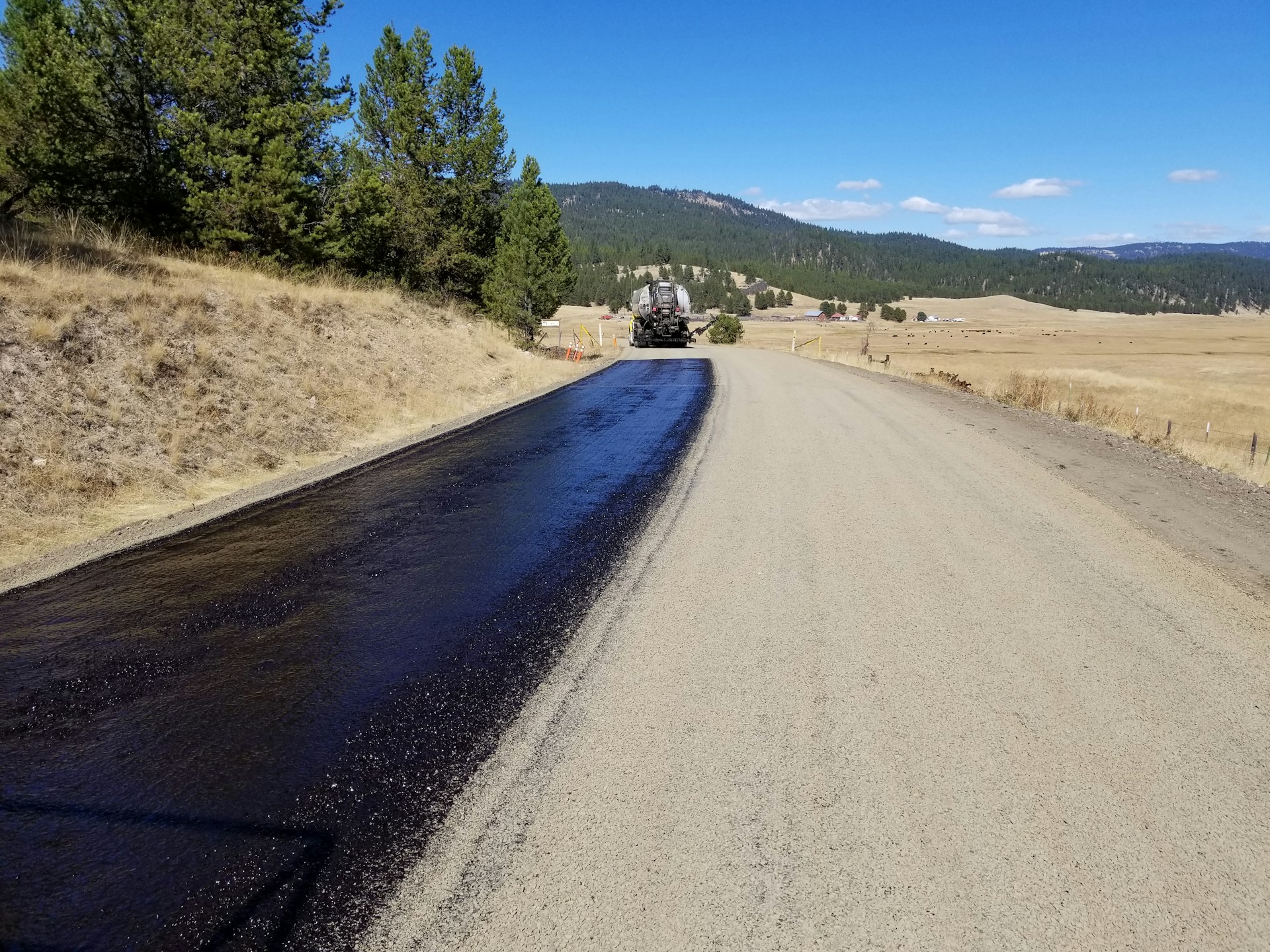
Magnesium chloride (MgCl2) is a chemical compound known for efficiently managing road dust. It is the leading option for protecting gravel roads from excessive dust production. The compound is applied to the surface as fine particles that blend with the soil to reduce erosion by absorbing moisture.
MgCl2 is only effective for a specific period, usually four to six months, depending on various factors. When it expires, the dust control solutions should be reapplied. You can supplement this compound with other dust control tactics, such as installing windbreakers and dust depressants.
Occasional road watering has also been proven practical, although it must be used alongside other techniques due to water costs and the need for human resources.
Regular Inspection
Another viable maintenance tip is regularly inspecting roads, as it helps uncover defects early enough. It involves searching for prevailing damages that, if left unhandled, may deteriorate and disrupt the road’s usual business.
Inspections must be undertaken by specialists with the appropriate skills and knowledge of roads. They will develop reasonable strategies to curb the problem and prevent its probability of reoccurrence.
Tackling Repairs Immediately
Discovering damages following an inspection could be in vain if you don’t start working immediately. Whether minor or significant, defects must be repaired before they escalate to more severe degrees, which may cost you.
No issues should be ignored because as road users continue to take their daily errands, they may worsen, even if it’s potholes or cracks. That means you should have a repair plan in advance, so you don’t waste more time thinking about what to do.
Remember the Drainage
The drainage system is often forgotten when discussing maintenance, yet it significantly doesn’t influence road effectiveness. Therefore, inspectors and contractors should reduce water accumulation on the road, which, if unmanaged, can destroy the surfaces.
Proper drainage can be achieved by installing culverts, growing absorbent vegetation, and constructing ditches. In the long run, soil erosion will decrease.
Manage Traffic
Traffic refers to the number of vehicles, people, animals, or trains using the same road simultaneously. If traffic is not managed properly, it can cause more surface wear and tear. Management involves determining whether the level of traffic is suitable for a specific road and following the right strategies.
For instance, you can consider finding a different route to reduce weight on a particular road. For more resilience, you can also consider a temporary diversion.
Compact and Resurface Occasionally
Compacting further blends stones with the soil to enhance strength and stability. This should be done periodically, roughly one to two years after the first installation for greater effectiveness. Any signs of significant wear and tear should also attract compaction.
Resurfacing (surface maintenance) addresses general road features, such as erosion routes, boulders, looseness, corrugation, and potholes. This can be done in two months or six, depending on the severity of the damage.
Have an Emergency Plan in Place
Like any other resource, roads are prone to various emergencies, such as natural disasters (floods, prolonged droughts, or earthquakes The concerned department should always have a reliable emergency plan to curb these misfortunes.
A proper strategy should include resources (workforce and finances) responsible for repairing the damages. This is better than waiting for the worst to happen before planning.