
Today, on Redhead Mom, I’m sharing a partnered guest post about ways to create an allergy-friendly home.
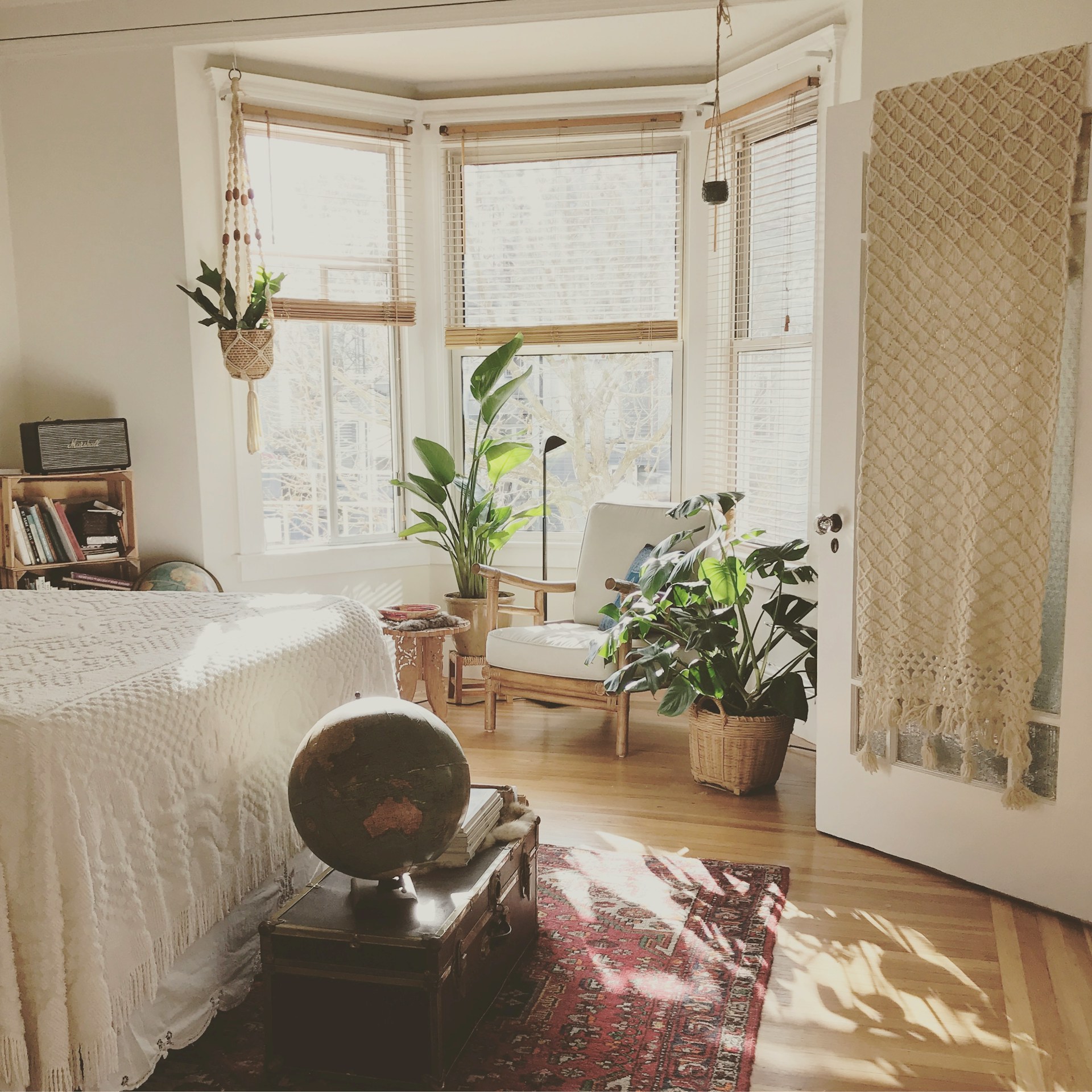
Welcome to the wonderful world of allergy-friendly living! In this comprehensive guide, we’ll explore 10 ways to make your home a sanctuary for those battling spring allergies. As the flowers bloom and the birds chirp, we’ll equip you with practical tips and strategies to banish allergens and create a bright, happy space where you can breathe easily and enjoy the season to the fullest.
Identify Common Allergens
Spring allergies can be triggered by a variety of common allergens, including pollen, dust mites, pet dander, mold, and certain foods. Understanding the specific allergens that affect you and your household members is the first step toward creating an allergy-friendly home. Consider scheduling allergy testing or consulting with a healthcare professional to pinpoint your triggers and develop a tailored allergy management plan. By identifying and addressing these allergens proactively, you can create a healthier and more comfortable living environment for everyone in your home.
Clean and Maintain Indoor Air Quality
Indoor air quality plays a crucial role in managing spring allergies. Invest in high-quality air purifiers and filters to remove airborne allergens such as pollen, dust, and pet dander. Regularly clean and vacuum your home, paying special attention to carpets, upholstery, and bedding where allergens tend to accumulate. Keep windows closed during peak pollen seasons and use exhaust fans or range hoods in the kitchen and bathrooms to improve ventilation and reduce humidity levels. By maintaining clean indoor air, you can reduce allergen exposure and create a more comfortable environment for allergy sufferers to thrive.
Create a Dust-Free Environment
Dust mites are a common allergen that can exacerbate spring allergies. Minimize dust accumulation by dusting and vacuuming surfaces regularly using a damp cloth or vacuum cleaner with a HEPA filter. Consider replacing carpets with hardwood or tile flooring, which are easier to clean and less likely to trap dust. Encase mattresses and pillows in allergen-proof covers and wash bedding in hot water weekly to kill dust mites and remove allergens. By creating a dust-free environment, you can significantly reduce allergy symptoms and improve the overall air quality in your home.
Manage Pet Allergens
If you have pets, managing pet dander is essential for allergy management. Bathe and groom your pets regularly to reduce shedding and dander buildup. Designate pet-free zones within your home, such as bedrooms or upholstered furniture, where allergy sufferers can find relief from pet allergens. Invest in pet-specific air purifiers and vacuum cleaners to capture pet dander and fur effectively. By implementing these measures, you can create a healthier and more comfortable living environment for both pet owners and allergy sufferers alike.
Minimize Mold and Mildew
Mold and mildew thrive in damp environments and can exacerbate spring allergies. Prevent mold growth by fixing leaks, improving ventilation, and reducing humidity levels in your home. Clean and disinfect bathrooms, kitchens, and other areas prone to mold regularly using mold-inhibiting products. Consider using a dehumidifier to maintain optimal humidity levels and prevent mold and mildew growth. By addressing moisture issues and minimizing mold and mildew, you can create a healthier and more allergy-friendly environment for your household.
Choose Allergy-Friendly Materials and Furnishings
Hypoallergenic materials can help minimize allergen exposure and create a healthier living environment for allergy sufferers. Opt for allergy-friendly furnishings such as dust-resistant furniture, hypoallergenic bedding, and low-VOC (volatile organic compound) paints and finishes. Choose flooring materials that are easy to clean and resistant to mold and dust mites, such as hardwood, tile, or laminate. By selecting allergy-friendly materials and furnishings, you can create a safer and more comfortable living space for everyone in your home.
Implement Food Allergy Safety Measures
Food allergies are another common concern for spring allergy sufferers. Take precautions to prevent cross-contamination and accidental exposure to allergens by storing and preparing allergen-free meals separately from allergen-containing foods. Clearly label allergen-containing products and educate household members and guests about food allergies to avoid allergic reactions. When cooking, use range hoods to ventilate cooking fumes and minimize airborne allergens. By implementing food allergy safety measures, you can create a safer and more inclusive environment for everyone in your household.
Develop a Comprehensive Cleaning Routine
Regular cleaning is essential for allergy management in the home. Develop a comprehensive cleaning routine that includes dusting, vacuuming, mopping, and disinfecting all surfaces and household items. Create a cleaning schedule and divide tasks among household members to ensure that cleaning responsibilities are shared and consistently maintained. By establishing a regular cleaning routine, you can reduce allergen levels and create a healthier living environment for everyone in your home.
Create an Outdoor Allergy-Friendly Environment
Managing outdoor allergens is crucial for indoor allergy sufferers. Minimize exposure to pollen, mold, and other outdoor allergens by keeping windows closed during peak pollen seasons and using air conditioning to filter indoor air. Remove shoes and outerwear before entering the home to prevent tracking allergens indoors, and consider investing in outdoor air purifiers or pollen screens for windows and doors. By creating an outdoor allergy-friendly environment, you can reduce allergen exposure and create a safer and more comfortable outdoor space for your household.
Utilize Technology and Smart Home Solutions
Technology-driven solutions can enhance allergy management and create a healthier living environment for allergy sufferers. Consider investing in smart home devices such as air quality monitors, allergen sensors, and programmable thermostats to monitor and control indoor air quality. Use smartphone apps and online resources to track pollen counts, allergy forecasts, and indoor air quality data to better manage spring allergies. By utilizing technology and smart home solutions, you can gain valuable insights into allergen levels and take proactive steps to minimize exposure and improve allergy symptoms.
Conclusion
By implementing these 10 ways to make your home allergy-friendly, you can create a bright, happy space where allergy sufferers can breathe easy and enjoy the spring season to the fullest. From identifying common allergens to implementing comprehensive cleaning routines and utilizing technology-driven solutions, there are countless ways to banish allergens and create a healthier living environment for you and your household members. With diligence, consistency, and a positive attitude, you can transform your home into a sanctuary where allergies are a thing of the past, and spring is a season to be celebrated.
Pat Baker is an allergy sufferer, a bit of a neat freak, and a writer for kitchen appliance retailers.