
Today, on Redhead Mom, I’m sharing a partnered guest post about How To Increase Home Value Before Selling.
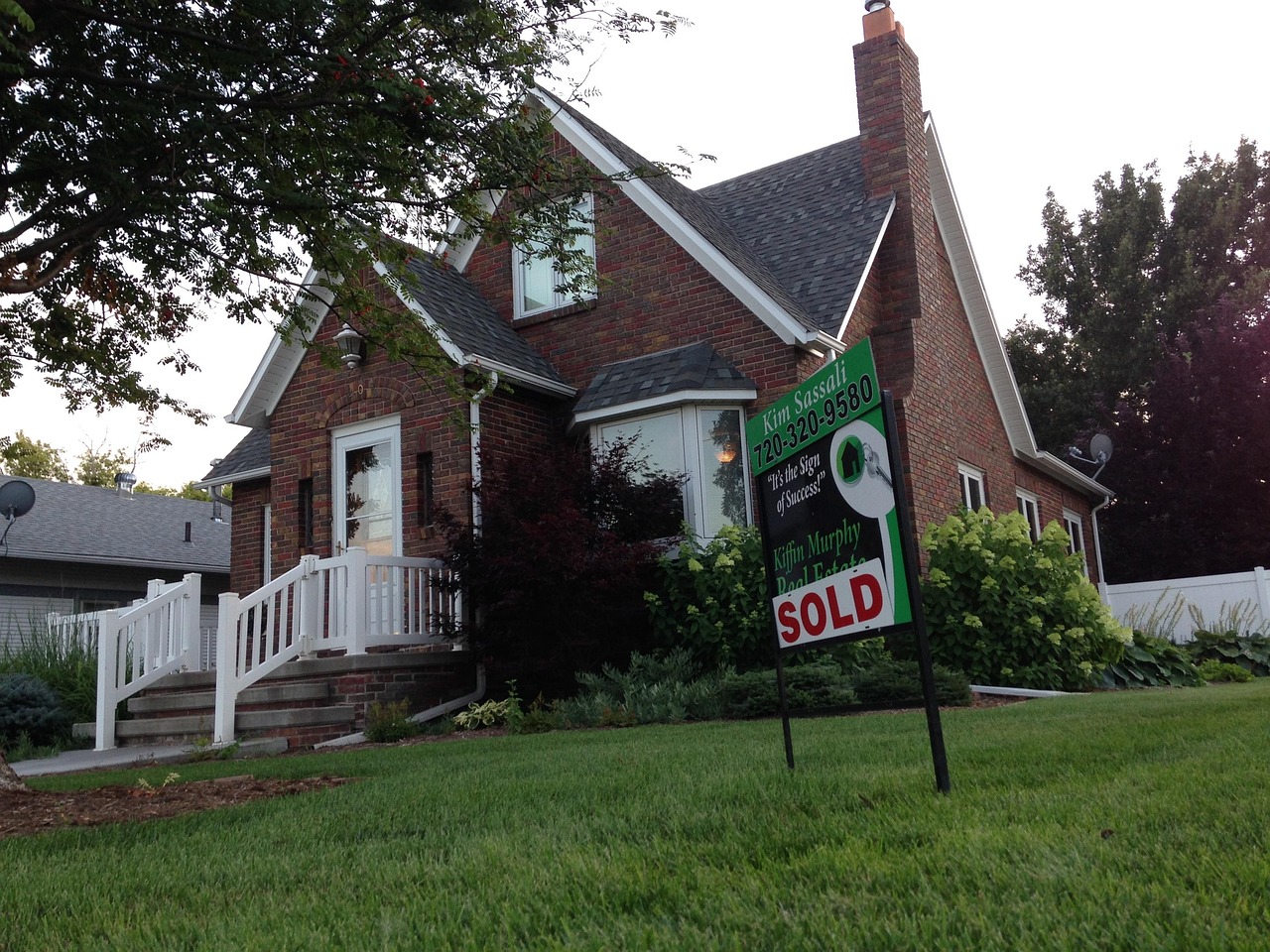
Thinking about selling your home? A few smart updates can make a big difference. With the right improvements, you can boost your home’s appeal, stand out in a competitive market, and walk away with more money in your pocket.
Why It Pays to Boost Your Home’s Value Before Selling
Today’s buyers are savvy, and so are their real estate agents. A home that appears “move-in ready” not only attracts more attention but can also trigger multiple offers, shorten time on market, and reduce buyers’ negotiation leverage. Instead of buyers mentally subtracting for every outdated feature, you position your home as worth every penny (and maybe more). Strategic improvements shift your home into a different tier of buyer expectations, where people expect to pay full price. When selling homes, these small details can create a major edge.
It’s not just about ROI, it’s about perception. A well-prepared home gives buyers confidence that it’s been cared for, which can justify a higher offer and minimize inspection-related surprises. You’re not just adding value; you’re removing objections. Homes aren’t sold on square footage alone; they’re sold on story, certainty, and desirability. And in today’s low-inventory, high-interest-rate environment, a home that feels like a “no-brainer” sells faster and stronger, raising your home market value in the process.
What Adds Value To A House?
Value comes from more than just cosmetic upgrades. Sure, fresh paint helps, but what really adds value is when form meets function. Think energy-efficient systems, like updated HVAC or a newer boiler, updated kitchens with smart layouts (not just granite for granite’s sake), and a home that tells a cohesive story. Even subtle touches, like increasing natural light, improving storage, optimizing traffic flow, or enhancing curb appeal, make a lasting impression. That first handshake with the buyer starts at the sidewalk, and it shapes how they assess the value of house features they see.
The highest-value upgrades create emotional security. It’s not about flashy materials, it’s about solving invisible friction. Spaces feel larger with open sight lines and consistent flooring. Rooms feel purposeful when a simple niche clearly says “Zoom room.” Layouts that reduce decision fatigue, like smart lighting that eliminates dark corners, build trust. Updated systems, clean inspections, and low-maintenance landscaping signal a home that’s been cared for, which supports stronger house values across the board.
Buyers want to feel their lifestyle is already anticipated, not imagine how much work it will take to make it fit. That’s what drives up home market value when selling homes.
How To Add Value To Your Home
Start by thinking like a buyer, not just a homeowner. Tour your own home with fresh eyes, or better yet, bring in a friend who’ll be honest. Fix anything broken, update anything dated, and declutter with ruthless intention. Focus on universal appeal: neutral colors, clean lines, and flexible spaces that help buyers imagine their lives unfolding there. Small updates to kitchens and bathrooms, like new hardware, fixtures, or lighting, can offer big visual returns, but make sure your upgrades align with your neighborhood’s price ceiling. Over-improving can actually hurt your ROI and may not be reflected in the home market value.
This isn’t just about fixing up a house, it’s about staging a seamless experience. Think like a hospitality designer. Define the role of every space, from the mudroom to the pantry nook to the guest zone. Unify flooring types, minimize visual clutter, and install soft-close hardware to create flow. And don’t just declutter, remove traces of your own life. What remains should feel aspirational, but believable. That’s what gets offers, and boosts the value of house features buyers care about.
High-Impact Upgrades That Won’t Break the Bank
The highest ROI projects often aren’t the flashiest, they’re the smartest. Think neutral, modern paint tones that freshen a space for pennies per square foot, or a front door upgrade that instantly boosts curb appeal and sets the tone. A full kitchen remodel isn’t always necessary; repainting cabinets, updating hardware, and replacing light fixtures or faucets can go a long way. The same goes for landscaping, trimming overgrown shrubs, laying fresh mulch, and adding low-maintenance greenery makes the whole property feel more intentional and supports higher house values.
Small, strategic updates speak volumes. Motion-sensor under-cabinet lighting, crisp white screwless outlet plates, or crown molding in key areas can elevate the feel without a major budget. Swapping in LED lighting, smart thermostats, or sealing walkways and driveways all signal care. Even peel-and-stick tiles or refinished surfaces in bathrooms can quietly shift a buyer’s perception of your home market value.
Forget full remodels, these aren’t big dollar projects, but they show buyers nothing was neglected. The best upgrades make a home feel newer and more functional without screaming “budget remodel.” And when selling homes, that quiet confidence adds to the overall value of house elements buyers will remember.
Key Areas to Focus on When Preparing to Sell
Focus on the areas where buyers emotionally connect, kitchens, bathrooms, and the primary bedroom. These “wow” spaces carry weight in first impressions, but foundational basics like flooring and lighting throughout the home matter just as much. The entryway and yard set the tone before buyers even walk through the door, and once inside, they want to feel like they can move in tomorrow. Tidy, well-lit, neutral, and updated should be your mantra. If your budget is tight, prioritize visible surfaces like countertops and walls over behind-the-scenes upgrades that won’t register during a walkthrough. These choices play a key role in determining house values.
Pay special attention to the “first five” and the “final five”, those crucial opening seconds and final lingering moments. What buyers see when they walk in sets their pricing perception; where they pause before leaving, often the backyard, kitchen island, or primary bedroom, can seal the deal. Clean smells, natural light, and subtle sensory cues like fresh herbs in the kitchen or cedar in the closet leave a lasting impression and influence the perceived value of house features in emotional ways.
Common Mistakes That Can Hurt Your Home’s Value
Absolutely, there are a few key pitfalls to avoid when prepping your home for sale. Overpersonalization is a common one; that bold wallpaper or luxury wine fridge might thrill you but confuse buyers. Bold design choices may feel unique, but they narrow your buyer pool. Aim for subtle luxury over personal flair. Similarly, over-improving with high-end finishes that don’t align with your neighborhood can waste money, especially if those upgrades won’t show a return in time for the sale or lift the home market value enough to justify the cost.
Minor repairs matter too. Buyers mentally snowball small issues into major ones, and DIY gone wrong, like an uneven tile job or a sloppy patch, can hurt more than help. Unpermitted work, even if it’s well done, can derail appraisals and scare off serious offers when selling homes.
And while comps are useful, remember: buyers don’t buy spreadsheets, they buy homes. A slightly smaller space that feels bigger, thanks to smart, visible upgrades, can outperform a technically superior comp. Focus on clean, modern, and consistent, not flashy or trendy. If you’re selling soon, time your updates to deliver maximum impact during the first showing. That first impression often shapes buyers’ perception of house values.
How to Highlight Your Home Improvements to Buyers
Storytelling matters. Create a one-page “upgrade list” that highlights improvements, when they were done, and their impact (like “2023: Replaced HVAC, 20% energy savings”), and leave it out during showings. Stage rooms to emphasize how your upgrades enhance lifestyle, don’t just say “new floors,” show the seamless flow from room to room. For appraisals, prepare the way you would for a job interview: calmly and factually walk the appraiser through key improvements, especially structural or behind-the-wall upgrades they might otherwise miss. Photos, receipts, warranties, and a printed list with dates and costs help seal the deal and reinforce the home market value.
Make buyers feel like they’re getting a great value without feeling like they’re settling. Subtle, thoughtful touches, like printed tags that call out invisible upgrades (“New 2024 roof, 30-year architectural shingles”), or a “home dossier” on the kitchen counter with photos, invoices, warranties, and a personal note, create emotional impact. Even small things like a QR code on a flyer linking to a short walkthrough video can highlight what’s hard to capture in photos. The goal is simple: tell the home’s story in a way that’s professional, memorable, and quietly persuasive, so buyers walk away convinced of the true value of house upgrades you’ve made.